June 8, 2026
Fursuit Maker Suggestions: How to Find the Perfect Creator for Your Dream Suit
By Casey Wren
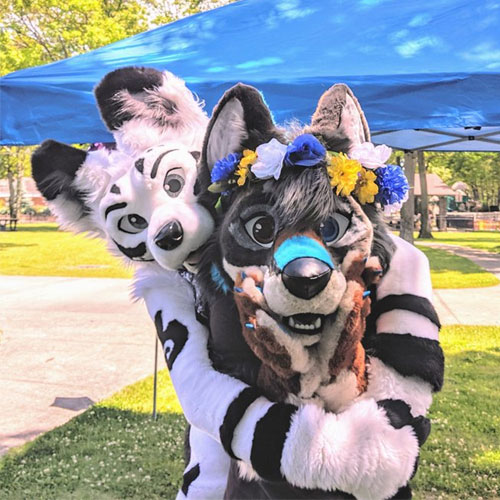
Obtaining a fursuit is definitely one of the most exhilarating things in the furry community. Regardless of whether you are buying your first-ever partial suit or commissioning a high-end professional quality costume, making the right choice can be crucial when it comes to choosing the maker who will bring your furry to life.
The following guide aims to help you recognize the necessary traits of a good fursuit maker and offer tips on how to select one.
Why Choosing the Right Fursuit Maker Matters
Fursuits are more than simple costumes. They are a reflection of yourself through your fursona and could be quite expensive. With good care and maintenance, fursuits may last you several years. Therefore, choosing a good fursuit maker who provides quality work, clear communication, and excellent customer service is crucial.
Choosing a proper maker means selecting someone who knows exactly what you are looking for and will build a suit according to that vision.
Start by Defining Your Goals
Before looking for makers, think about exactly what you need.
Consider:
- Do you want an entire costume or just part of one?
- How much money do you have to spend?
- Would you like realism or cartoons?
- A plantigrade design or a digitigrade design?
- Do you plan to use the suit for conventions, performances, or photos?
Having a clear understanding of these things before starting will help save you from frustration.
Research Different Styles
Every fursuit maker has a unique artistic style. Some specialize in highly realistic animals, while others focus on colorful, expressive cartoon characters.
Common styles include:
Cartoon Style
The cartoon style is characterized by big eyes, expressive faces, and bright colors. Such outfits are popular at conventions, owing to their expressive nature.
Realistic Style
The realistic fursuit incorporates anatomically correct figures, proper proportioning, and airbrushing. This type is generally harder to create than the cartoon fursuit.
Kemono Style
The kemono fursuit incorporates Japanese aesthetics with big eyes, soft faces, and adorable appearances. The style is gaining popularity in many other parts of the world.
Looking through maker galleries will help you identify which style appeals to you most.
Check Portfolios Carefully
One of the best ways to evaluate a maker is by examining their previous work.
Pay attention to:
- Fur quality
- Symmetry
- Clean sewing
- Eye placement
- Character accuracy
- Overall finish
A strong portfolio demonstrates consistency. If every suit looks professionally made and well-finished, that’s usually a positive sign.
Avoid judging based on a single photo. Instead, look at multiple projects across several years.
Read Reviews and Testimonials
Consumer comments may give an insight into the experience of working with the maker.
You should consider their opinions concerning:
- Communication
- Build quality
- Speed of delivery
- Client support
- Durability
Good reviews from several clients will help to assess whether the maker is reputable. You may use discussion boards and social networking websites as well.
Remember that even reputable makers do make mistakes sometimes.
Consider Your Budget
Fursuit prices vary dramatically depending on complexity and maker experience.
Typical ranges include:
- Mini partials: $300–$1,000
- Partial suits: $800–$3,000
- Full suits: $2,000–$8,000+
Highly experienced makers often charge more due to demand and craftsmanship.
If you’re working with a limited budget, consider starting with a head, tail, and paws before investing in a full suit later.
Communication Is Important
A maker’s communication style can significantly impact your experience.
A professional maker should:
- Answer questions clearly
- Provide updates when appropriate
- Explain pricing and timelines
- Be transparent about delays
- Respect customer concerns
Good communication builds trust and helps ensure the final product meets expectations.
If a maker consistently ignores messages or provides unclear information before payment, that may be a warning sign.
Watch for Red Flags
While many makers are professional and reliable, it’s important to remain cautious.
Potential red flags include:
- No portfolio
- No customer reviews
- Unrealistically low prices
- Poor communication
- Refusal to provide progress updates
- Frequent missed deadlines
- Lack of clear terms of service
Taking time to research can save you money and frustration.
Places Where You Can Find Fursuit Makers
There are lots of venues through which you can find skilled artisans.
Social Networks
The likes of Instagram, Bluesky, X, TikTok, and Facebook give creators a platform to exhibit recent creations and declare open commissions.
Furry Conventions
Conventions give you a chance to examine suits personally and even talk to the creators directly.
Communities’ Recommendations
Many furry communities feature maker recommendations and threads that discuss particular creators. They can be quite useful for novice fans looking for their first commission.
Maker’s Websites
Most professional creators have personal websites which contain galleries, price lists, terms of service, and other information about the process of commission creation.
Do Not Forget About Less Established Creators
Not all skilled creators have already gained recognition and are famous in the community.
Creators new to the business usually offer:
Less expensive commissions
Shorter waitlists
Greater flexibility
Personalized interaction
Be sure to review portfolios and confirm they can complete orders by providing finished projects as an example.
Fursuit Mania and More Alternatives
When looking into options for fursuit makers, you might want to compare several creators first. There are plenty of artists recommended on forums, from individual workshops to developing brands like Fursuit Mania.
Instead of focusing solely on popularity, prioritize quality, reliability, and compatibility with your character design.
Final Thoughts
Choosing a fursuit maker is a personal decision that requires research and patience. Take time to explore portfolios, compare styles, read reviews, and communicate with potential makers before committing.