March 24, 2026
Ideas for Beginners – Miami, Jacksonville & Tampa
By Casey Wren
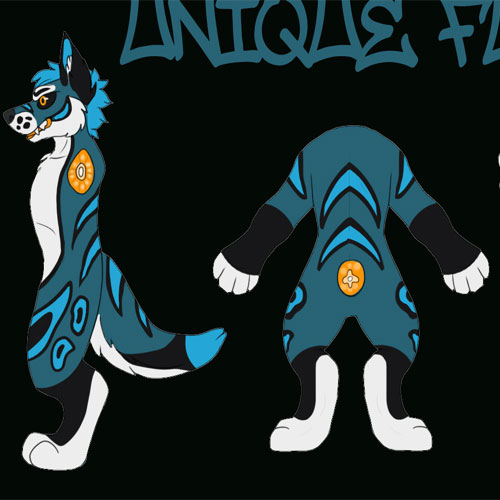
Creating your first fursuit can feel exciting… and a little overwhelming. There are so many styles, materials, and creative directions to explore that it’s easy to get stuck before you even begin. But here’s the truth—you don’t need to be an expert to design something unique. You just need a clear idea, a bit of inspiration, and the willingness to experiment.
Whether you’re in the vibrant art scene of Miami, the laid-back creative circles of Jacksonville, or the convention-heavy culture of Tampa, the demand for unique fursuit design is growing fast. Beginners today are not just copying existing characters—they’re building identities.
Let’s break down how you can do the same.
Understanding the Basics of Unique Fursuit Design
Before diving into wild ideas, it’s important to understand what makes a fursuit design stand out.
At its core, a fursuit is a wearable representation of a character, often called a “fursona.” What makes it unique is not just color or species—it’s personality translated into visual form.
Think about:
- Character backstory
- Emotional tone (cute, edgy, mysterious)
- Color harmony
- Shape language (sharp vs soft features)
A beginner mistake? Trying to do too much at once. Simplicity often creates stronger designs.
1. Start With an Uncommon Species
Most beginners go straight for wolves, foxes, or cats. Nothing wrong with that—but if you want something memorable, consider stepping outside the usual.
Try:
- Aquatic creatures (sharks, axolotls)
- Reptiles (geckos, dragons)
- Hybrid animals (fox + deer, wolf + bird)
- Mythical creatures (griffins, kirin-inspired designs)
In cities like Miami, where bold and colorful aesthetics dominate, unusual species tend to stand out even more at conventions and meetups.
Pro tip: Pick a species that matches your personality. It makes the design feel more authentic.
2. Play With Bold Color Combinations
Color is one of the fastest ways to make your fursuit unique.
Instead of natural tones, experiment with:
- Neon gradients
- Pastel + dark contrasts
- Split-color designs (half-and-half faces)
- Galaxy or cosmic patterns
In places like Tampa, where events and fandom gatherings are frequent, bright and eye-catching colors tend to draw attention instantly.
But don’t overdo it. Stick to:
- 2–3 main colors
- 1–2 accent shades
This keeps your design clean and visually appealing.
3. Add Signature Features
Every memorable fursuit has something that makes people go, “Oh, I recognize that character.”
This could be:
- Glowing eyes (LED elements)
- Unique horns or antlers
- Oversized ears or tails
- Asymmetrical markings
- Custom paw shapes
In Jacksonville’s growing creative community, many beginners are experimenting with small but impact signature features rather than complex full designs.
Less can be more—if it’s intentional.
4. Use Texture to Your Advantage
Not all fursuits have to feel the same. Texture adds depth.
Try mixing:
- Short and long fur
- Faux fur with fleece
- Smooth vs shaggy areas
For example:
- A dragon fursuit could combine smooth scales (fabric) with fluffy accents
- A wolf could have a thick mane but sleek limbs
Texture creates visual interest without needing extra colors.
5. Incorporate Local Inspiration
This is something many beginners overlook.
Your environment can shape your design in subtle ways.
- In Miami → Tropical themes, ocean colors, neon nightlife vibes
- In Jacksonville → Nature-inspired palettes, earthy tones, relaxed styles
- In Tampa → Convention-friendly designs, bold characters, performance-ready suits
Adding local influence makes your unique fursuit design feel grounded and personal.
6. Focus on Comfort and We arability
A design might look amazing on paper—but can you actually wear it?
This is where beginners often struggle.
Think about:
- Ventilation
- Weight distribution
- Visibility
- Mobility
A simpler design that you can wear for hours is better than a complex one that becomes uncomfortable after 20 minutes.
Especially in warmer climates like Florida cities, breathable designs are essential.
7. Create a Backstory
This might sound optional—but it’s actually powerful.
A backstory helps guide your design decisions.
Ask yourself:
- Where does your character come from?
- What is their personality?
- Are they playful, serious, chaotic?
For example:
- A neon-colored fox from Miami nightlife
- A calm forest guardian inspired by Jacksonville’s nature
- A high-energy performer character suited for Tampa conventions
When your design has meaning, it naturally becomes more unique.
8. Experiment With Partial Fursuits First
If you’re just starting, don’t jump straight into a full suit.
Try:
- Head + paws
- Tail + gloves
- Mini partials
This lets you test your design without a huge investment.
Many beginners in Tampa and Jacksonville start with partials before upgrading to full suits.
9. Customize the Eyes and Expression
Eyes are the most expressive part of a fursuit.
Small changes can completely alter the character:
- Round eyes → cute and friendly
- Narrow eyes → mischievous or serious
- Large pupils → energetic and playful
You can also experiment with:
- Eyelashes
- Eyebrow shapes
- LED lighting
This is where your character truly comes alive.
10. Don’t Be Afraid to Be Weird
Seriously. Some of the most popular fursuits are the ones that break the rules.
Try:
- Unexpected color placements
- Mixed themes (cyber + fantasy)
- Abstract patterns
- Unusual proportions
“Perfect” is boring. Unique is memorable.
Common Mistakes Beginners Should Avoid
Even with great ideas, some pitfalls can ruin your design.
Avoid:
- Too many colors without balance
- Over complicated patterns
- Ignoring comfort
- Copying existing designs too closely
Originality doesn’t mean chaos—it means intentional creativity.
FAQs About Unique Fursuit Design
1. How do I come up with a unique fursuit idea?
Start with your personality and interests. Combine them with an unusual species or color palette. Inspiration often comes from mixing two unrelated ideas.
2. Is it expensive to create a beginner fursuit?
It can be—but starting with partial suits keeps costs low. Materials and complexity determine the price.
3. Which city is best for showcasing fursuits?
All three—Miami, Jacksonville, and Tampa—have growing communities. Tampa stands out for conventions, while Miami is great for bold artistic expression.
4. Can beginners make professional-looking designs?
Yes. Focus on clean execution rather than complexity. A simple, well-made design always looks better than an overdone one.
5. How long does it take to design a fursuit?
It depends, but most beginners spend a few days to a few weeks refining their concept before building.
Final Thoughts
Designing your first fursuit is less about perfection and more about exploration. The best designs often come from unexpected ideas, small risks, and personal touches.
Whether you’re inspired by the vibrant energy of Miami, the calm creativity of Jacksonville, or the lively fandom scene in Tampa, there’s no single “right way” to create a unique fursuit design.