March 4, 2026
What Is a Fursuit? Complete Beginner Guide Explained
By Casey Wren
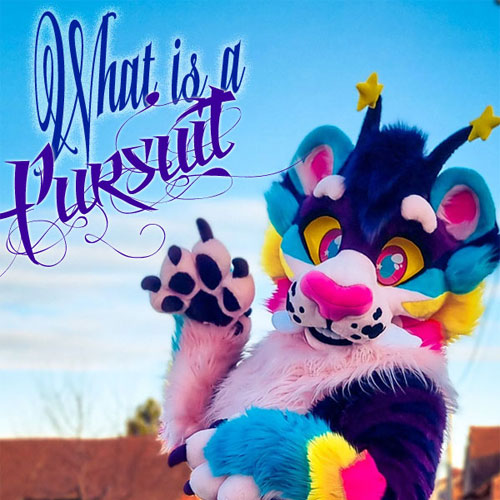
What Is a Fursuit
If you have just found the furry community, you may have wondered one basic question: what exactly is a fursuit?
At heart, a fursuit is a custom-made costume meant to bring an original anthropomorphic animal character—sometimes known as a fursona—to life. Still, that short definition only touches the surface.
Beyond stitched together cloth and foam, a fursuit is more than merely this. Its identity is what determines it. Performance. Artistry. Some people view it as a pastime. For some, it’s a business venture, a marketing tool, or maybe a professional mascot-level outfit worn for amusement.
Let us go through it correctly.
The Basic Definition of a Fursuit
Wearable equipment meant to show an anthropomorphic animal character, a fursuit is made. Anthropomorphic describes an animal with human characteristics—that walking upright, speaking, gestures, or wearing garments.
Often seen fursuits at furry events like Anthrocon or Midwest FurFest. Thousands of people attend these events, many of whom don full or partial costumes to emphasize their parts.
Here is something significant, though:
You may join the furry community without a fursuit.
Many people only appreciate the art, narrative, or social components. One emotive branch of a far bigger creative culture is furring.
Why Do People Wear Fursuits?
This is where things get interesting.
People choose to wear custom fursuits for several reasons:
- Self-expression – Bringing a personal character into the physical world
- Performance – Entertaining at conventions, parades, and charity events
- Brand building – Mascot-style presence for content creators or businesses
- Social connection – Meeting others in costume creates instant interaction
- Creative fulfillment – Appreciating wearable art
For many wearers, putting on a fursuit feels transformative. It allows them to step into a character’s personality—confident, playful, mysterious, energetic.
It’s costume performance mixed with community culture.
Types of Fursuits
Not all fursuits are built the same. In fact, there are several categories depending on coverage, structure, and purpose.
1. Partial Fursuit
A partial usually includes:
- Head
- Hand paws
- Tail
- Sometimes feet paws
Partials are popular for beginners. They are lighter, more breathable, and more affordable than full-body suits. You can wear them with regular clothing.
2. Full Plantigrade Fursuit
A plantigrade suit follows the natural human leg shape. Your feet stay flat on the ground.
These suits:
- Allow easier movement
- Weigh less than heavily padded builds
- Work well for performance or active use
3. Full Digitigrade Fursuit
A digitigrade suit creates an animal-like leg structure using foam padding. The result? A more stylized, creature-like silhouette.
These are:
- Visually striking
- More complex to build
- Often more expensive
4. Mini Partial
Usually just mini Partial:
- Head
- Tail
Worn casually with everyday clothes. Simple. Practical.
How Is a Fursuit Made?
A professionally crafted custom fursuit involves multiple stages. It’s not a quick sewing project. It’s a detailed build process that can take weeks or months.
Step 1: Character Design
Everything begins with a reference sheet. This includes:
- Front and back views
- Color placement
- Markings
- Eye color
- Expression style
Clear design equals cleaner results.
Step 2: Head Base Construction
Most fursuit heads are built using:
- Upholstery foam
- EVA foam
- 3D printed bases
Foam allows carving and shaping. 3D printed bases allow precision and repeatability.
Step 3: Furring and Sewing
High-quality faux fur is cut, patterned, and sewn together carefully. Markings are aligned. Seams are reinforced.
After assembly, the fur is shaved and trimmed to create shape and dimension.
Step 4: Interior Comfort
A professional suit includes:
- Ventilation
- Vision mesh
- Lining
- Padding
- Hidden zippers
Comfort is critical. A poorly ventilated suit can become uncomfortable quickly.
How Much Does a Fursuit Cost?
Here’s where business realities enter the conversation.
A custom fursuit is handcrafted. It involves labor, materials, design time, and skill. Pricing typically depends on:
- Type (partial vs full suit)
- Complexity of markings
- Fur color count
- Maker reputation
- Added features (moving jaw, LEDs, fans)
A beginner partial may cost significantly less than a fully detailed digitigrade build with electronics.
And remember—this is skilled craftsmanship, not mass production.
Are Fursuits Only for Conventions?
Not at all.
While conventions like Further Confusion are major showcases, fursuits are also used for:
- Charity fundraisers
- Online content creation
- Streaming and social media branding
- Mascot performances
- Photoshoots
Some creators even build personal brands around their characters.
In business terms, a fursuit can function as intellectual property embodied in wearable form.
Is It Hot Inside a Fursuit?
Short answer: yes, it can be.
Longer answer: professional suits are designed with airflow in mind.
Many makers incorporate:
- Hidden fans
- Breathable linings
- Strategic ventilation zones
Still, fursuit typically stop every 30 to 60 minutes. One must be hydrated.
Frequently held misinterpretations about fursuits
Let’s set a few legends straight.
1: Every furry enthusiast has a fursuit.
False. Many never buy one.
two: Fursuits are economical outfits.
They are customized wearable art works that have particular
3: Their only use is roleplay.
They are employed in branding, performance, art, and philanthropy.
Businesses Perspective on Fursuits
A serious niche market has developed in the fursuit sector. Full-time studios are run by independent designers. Wait lists can cover years or even months.
Professional makers focus on:
- Strong internal structure
- Clean seam work
- Durable construction
- Customer communication
- Brand reputation
High-quality builds lead to repeat clients and referrals.
It’s craftsmanship combined with service excellence.
Maintenance and Care
A fursuit requires proper care. This includes:
- Brushing fur after wear
- Spot cleaning
- Occasional deep cleaning
- Air drying fully
- Storing in cool, dry areas
Neglect shortens lifespan. Proper maintenance extends it significantly.
Frequently Asked Questions
A fursuit is produced from what?
Most comprise zippers, faux fur, upholstery foam, EVA foam, mesh, and lining fabric. Certain people build plastic bases using three dimensions.
Do you have to act like your character in a fursuit?
No. Some people perform energetically. Others simply walk around. It’s my personal preference.
How long is a fursuit to create?
From several weeks to several months depending on the makers’ queue and intricacy level.
Am I able to create my own fursuit?
Indeed. Many novices begin with partials. Professional-level builds, nevertheless, call for skill and practice.
Is it safe to wear fursuits?
Yes, when hydration, ventilation, and adequate breaks are given priority.
For how long does a fursuit survive?
Good care may extend a high-quality suit many years.