Blog
How Many Types of Fursuits?

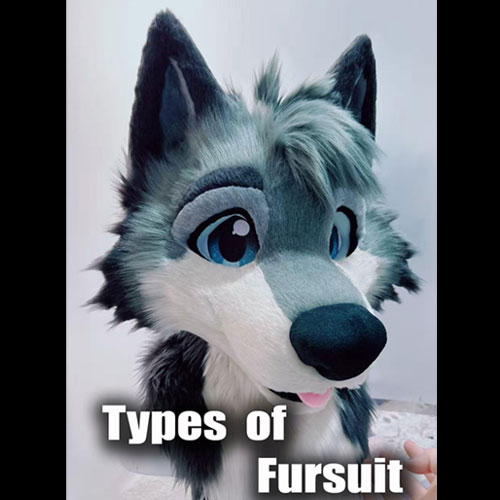
These are expressions of identity, creativity, and craftsmanship. A fursuit in a furry fandom is not something one wears but becomes. Not all fursuits are built the same, though. As a matter of fact, there are a few distinct kinds, each made with different thoughts about coverage, comfort, realism, and mobility.
So, how many types of fursuits are there?
While designs can vary endlessly, most fursuits fall into five widely recognized categories: Mini Partial, Partial, Three-Forth Suit, Plantigrade, and Digitigrade. Each type offers a unique balance between wearability and visual impact.
Let’s explore them one by one.
Mini Partial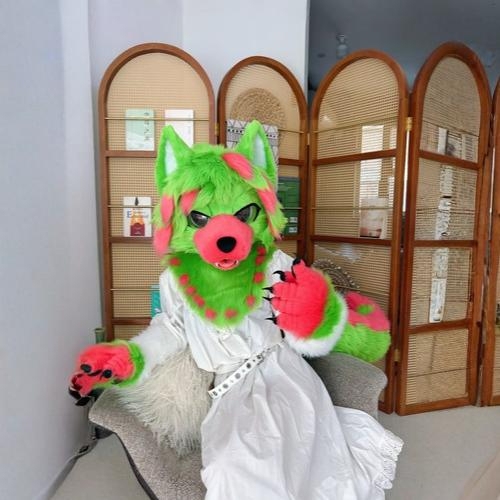
A Mini Partial fursuit is the most lightweight and minimal option among all fursuit types. As the name suggests, it includes only a few essential components rather than a full costume.
Typically, a mini partial consists of:
- A fursuit head
- Hand paws
- A tail
Sometimes, foot paws are added, but they are not required.
Mini partials are very well liked in the furry community by fursuit fanatics who want to join in without having to make a full fursuit. Mini partials enable easy movement, improved airflow, and prevention of heat retention.
Short. Simple. Practical.
Why people choose mini partials:
- Easier to wear for long periods
- More affordable than full suits
- Great for beginners
- Ideal for casual meetups and conventions
These mini partial fursuits are often complemented by normal, regular clothing in colors matching the character’s color scheme or personality. This mix of mundane wear with character elements makes for a playful and approachable look.
However, because they cover less of the body, mini partials offer less visual immersion. The illusion of becoming a full character is lighter—but for many, that’s exactly the appeal.
Partial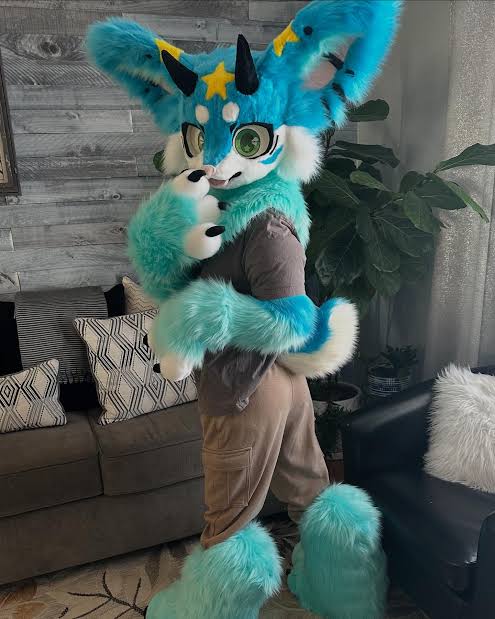
A Partial fursuit expands on the mini partial by adding more components and stronger character presence. It still isn’t a full-body suit, but it moves closer to one.
A standard partial fursuit usually includes:
- A fursuit head
- Hand paws
- Arm sleeves
- A tail
- Often foot paws
This type covers more of the body, especially the arms and lower legs, creating a more cohesive character appearance while still allowing flexibility.
Partial fursuit strike a balance.
Not too heavy.
Not too minimal.
Advantages of Partial Fursuits:
- More character immersion than mini partials
- Cooler than full-body suits
- Easier bathroom and rest breaks
- Greater freedom of movement
Many fur Suit feel that partials are best suited for convention attendance, performing, or even mere gatherings where the importance of being able to move around comfortably cannot be overemphasized. This is because you can move around more naturally.
Partial fursuits can also be customized. In fact, some of them have detailed paints and designs of claws and skin texture features
Three-Forth Suit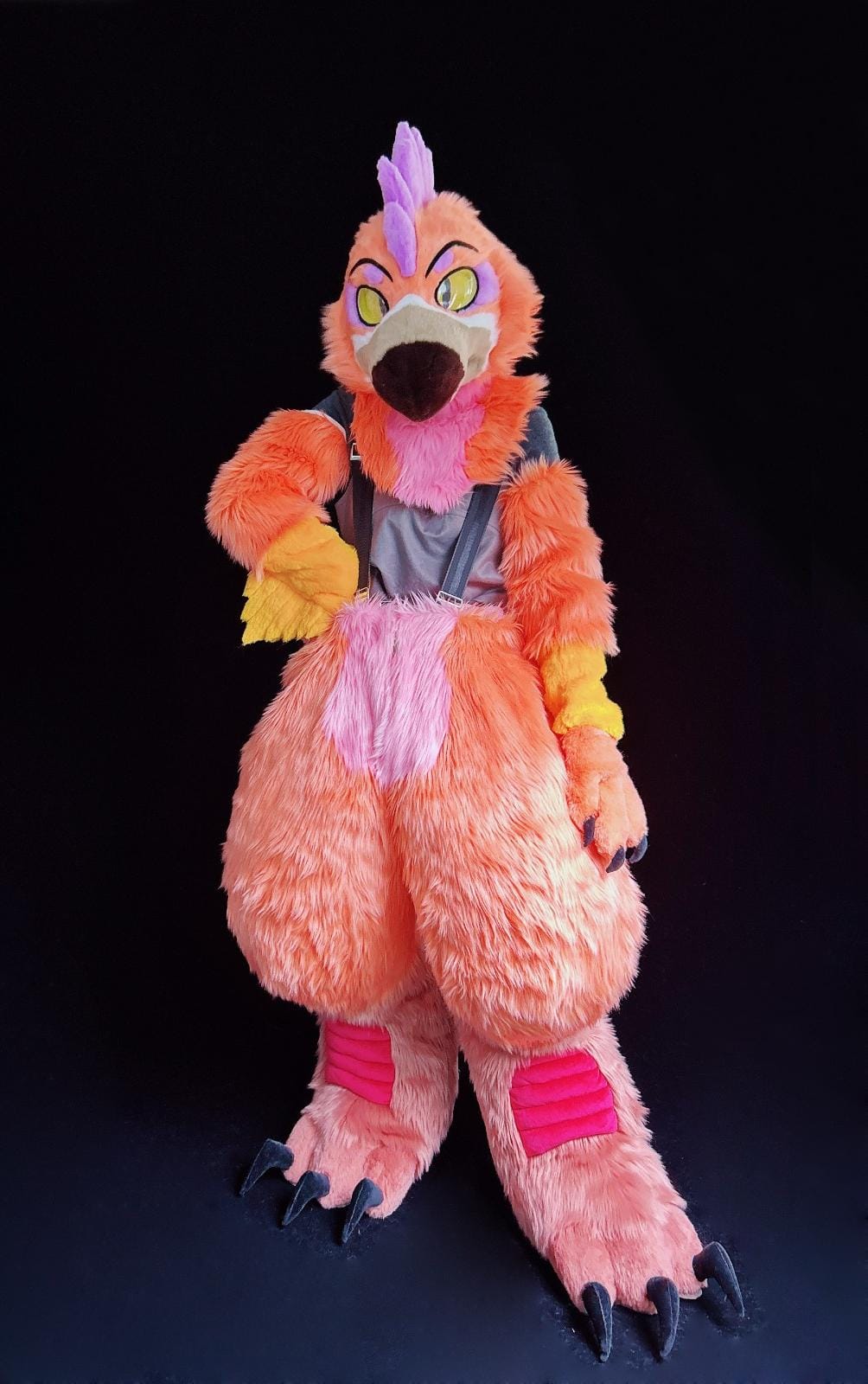
The Three-Forth Suit (also written as three-quarter suit) sits between a partial and a full-body fursuit. It covers most of the body—but not all of it.
Typically, a three-forth suit includes:
- A fursuit head
- Hand paws
- Full arm coverage
- Torso coverage
- Partial leg coverage (usually stopping at the knees or thighs)
- A tail
This design creates a strong, nearly complete character silhouette while leaving certain areas uncovered for comfort.
Three-forth suits are popular among fursuit who want a dramatic look without the full commitment of a complete suit.
What makes three-forth suits appealing:
- Strong visual impact
- Better temperature control than full suits
- Easier to put on and take off
- Less restrictive than full coverage
They work especially well for characters that canonically wear clothing, armor, or accessories. The exposed areas can be intentionally styled, making the design feel purposeful rather than incomplete.
Three-forth suits are often chosen by experienced fursuit who know exactly what level of coverage they want—and why.
Plantigrade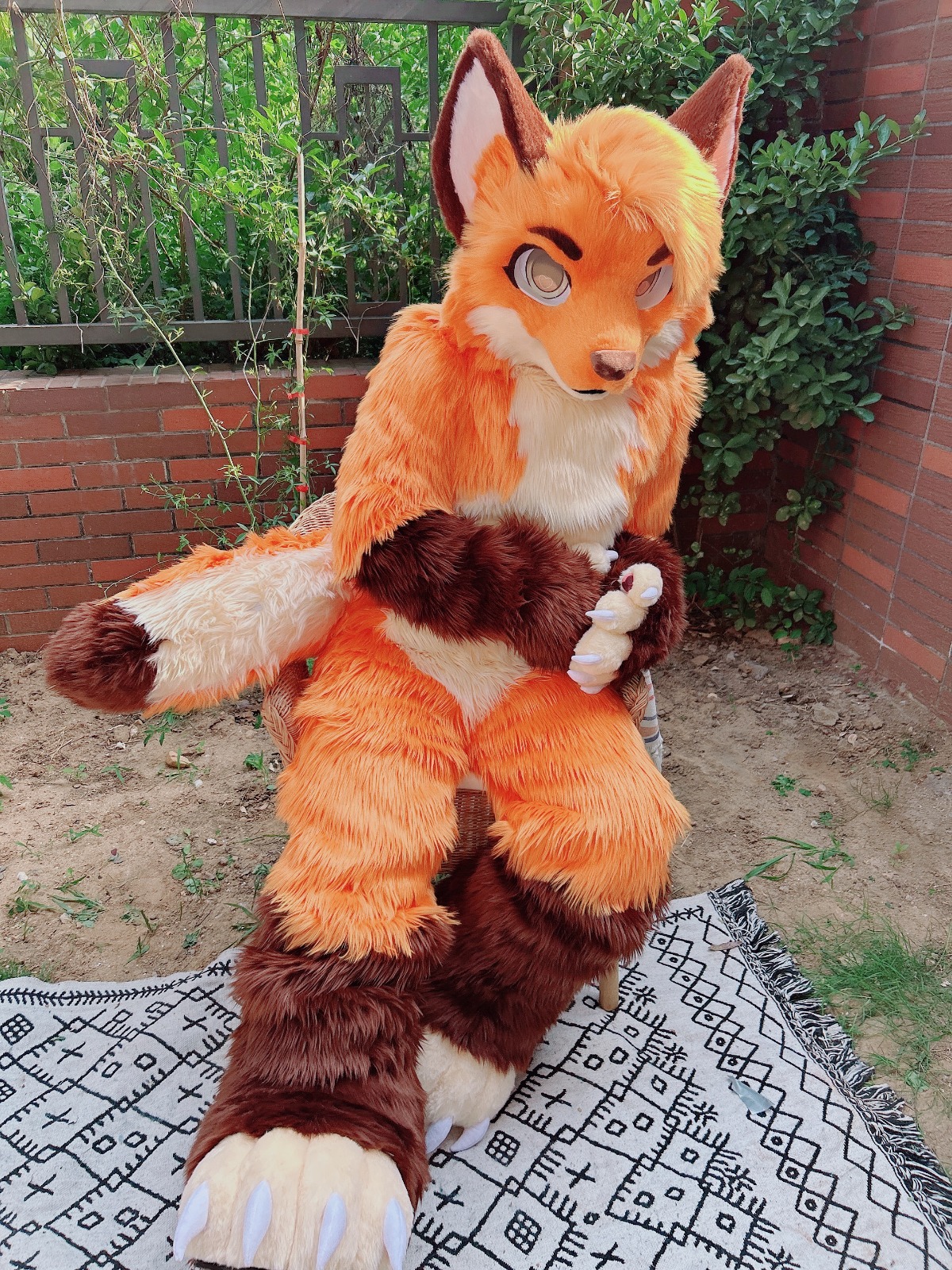
Now we enter the world of full-body fursuits.
A Plantigrade fursuit is a complete suit where the wearer’s legs maintain a natural, human-like shape. The entire foot rests flat on the ground, just like how humans walk.
Plantigrade fursuits usually include:
- Full fursuit head
- Bodysuit
- Hand paws
- Foot paws
- Tail
This type of fursuit is widely considered the most accessible full-suit option.
Characteristics of plantigrade fursuits:
- Natural leg proportions
- Easier walking and balance
- Less padding in the legs
- Lighter weight compared to digitigrade
Plantigrade suits are ideal for long convention days, parades, or events that require extended walking. They are also more forgiving for new full-suit wearers because they require less practice to move comfortably.
Visually, plantigrade suits look friendly and cartoon-like. They may not be as anatomically dramatic as digitigrade suits, but they excel in comfort and endurance.
For many fursuit, plantigrade is the perfect entry point into full-body suits.
Digitigrade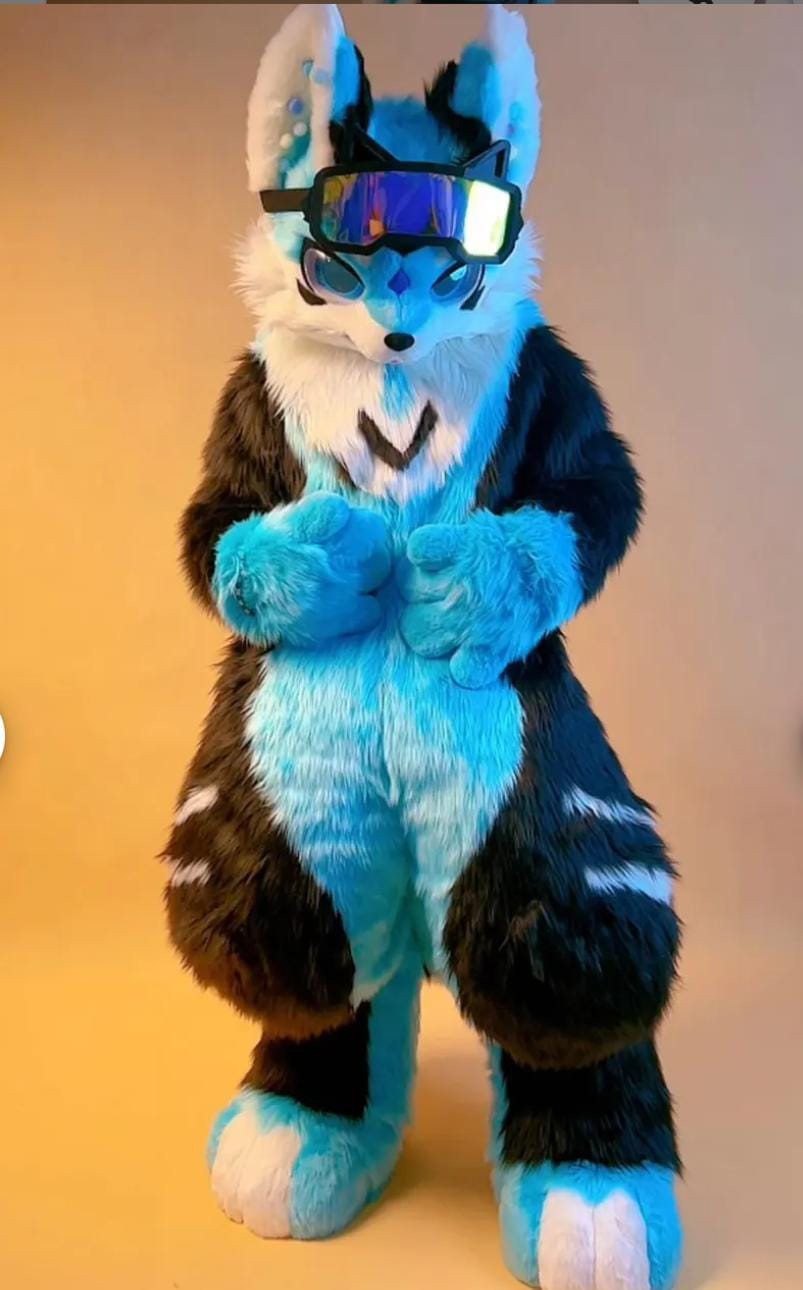
A Digitigrade fursuit is often seen as the most advanced and visually impressive type. Unlike plantigrade suits, digitigrade suits mimic animal leg anatomy by creating the illusion of raised heels and bent legs.
In Digitigrade Fursuits:
- The wearer walks on the balls of their feet
- Padding creates a lifted heel appearance
- Legs appear longer and more animal-like
This results in a striking silhouette that closely resembles real animal anatomy.
Features of Digitigrade Fursuits:
- Enhanced realism
- Dramatic leg shape
- Thicker padding in legs
- Strong character presence
Digitigrade suits are often used for:
- Professional performances
- Photo shoots
- High-end character portrayals
However, this realism comes with trade-offs. Digitigrade fursuits are heavier, warmer, and more physically demanding. Walking requires practice, balance, and stamina.
They are not ideal for beginners—but for experienced fursuit, the payoff is huge.
Digitigrade fursuits transform movement itself into part of the performance. Every step reinforces the illusion.
Choosing the Right Fursuit Type
There is no single “best” type of fursuit. The right choice depends on your goals, comfort level, budget, and experience.
Ask yourself:
- How long do I plan to wear it?
- How important is realism?
- Will I attend crowded conventions?
- Do I prioritize comfort or appearance?
Mini partials and partials are excellent for flexibility and ease.
Three-forth suits offer balance and style.
Plantigrade suits provide comfort and endurance.
Digitigrade suits deliver unmatched visual impact.
Each type serves a purpose.
Final Thoughts
So, how many types of fursuits are there?
At their core, Mini Partial, Partial, Three-Forth Suit, Plantigrade, and Digitigrade form the foundation of fursuit design. From minimal to fully immersive, these categories represent different ways of bringing characters to life
One thought on “How Many Types of Fursuits?”
Comments are closed.