
Blog
How to Make a Plantigrade 3/4ths Suit

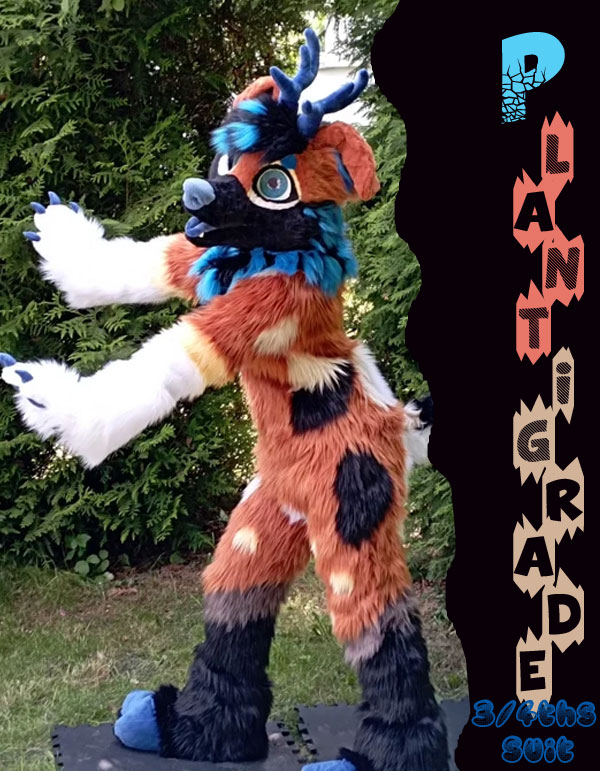
Creating a plantigrade 3/4ths suit is an art form that blends creativity,Knowledge of anatomy and workmanship. Mastering this kind of suit will improve your portfolio and offer the wearer a wonderful experience whether you are a passionate hobbyist, a costume designer, or a fursuit maker. People love plantigrade suits since they replicate the natural posture of humans, therefore giving the character motions realistic and easy comfort.
The fundamentals of planning, building, and completing a plantigrade 3/4ths suit will be covered in this guide along with pointers, typical problems, and responses to frequently asked questions.
Understanding Plantigrade 3/4ths Suits
Designed for the wearer to walk on a human-like foot rather than on toes or digitigrade extensions, a plantigrade suit lets the wearer travel on a human-like foot. This helps to create a genuine anthropomorphic appearance while yet enabling movement in the suit.
Better ventilation and mobility come from a fursuit that covers the legs, trunk, arms, and head but leaves the feet of the wearer somewhat visible or in lightweight slippers.
What makes one pick a plantigrade 3/4ths suit?
Simpler to walk in over extended distances
- More affordable than full-body or digitigrade suits
- lightweight and pleasant
- Yet presents a believable, emotive character image.
Materials You’ll Need
Before starting, gather all necessary materials. High-quality materials make a huge difference in durability, comfort, and realism.
Essential materials:
- Faux fur fabric (long or short, depending on your design)
- Foam padding for shaping limbs, tail, and other features
- Mesh or fabric liner for breathability
- Plastic or resin for eyes and claws
- Thread, needles, and sewing machine
- Velcro, zippers, or snaps for closures
- Hot glue and contact cement for assembly
- Optional: Air vents or fans for long-duration wear
Pro tip: Pick fabrics that are soft, long lasting, and simple to clean. Beginners will find great material in short-pile faux fur.
First stage: Organizing Your Design
Your plantigrade 3/4ths suit starts with a concept. Think about your character’s species, personality, and the types of events you will wear the suit to. Draw your character from many different viewpoints. Focus on the tail, hands, and head.
- Sketch your character from different directions. Concentrate on the head, hands, and tail.
- Pick the colors and fur pattern. Features sometimes become very prominent when colors conflict.
- If your character wears apparel or props, plan the armour or accessories.
Note that a thorough strategy helps to lower mistakes later in the building phase.
Step 2: Creating a Pattern
A pattern is essentially the blueprint of your suit. You can either draft your own or modify an existing fursuit pattern.
Steps for pattern creation:
- Take accurate measurements of the wearer: torso, arms, legs, head circumference.
- Draft each piece on paper or fabric. Include seam allowances for sewing.
- Use masking tape or a dummy form to test the fit. This helps ensure proper mobility and proportion.
Tips: Plantigrade suits call for close examination of the foot and lower leg architecture. Walking can be made difficult even by a minor misalignment.
Step 3: Head Development
Many of the most expressive sections of a fursuit are the head. A plantigrade 3/4ths suit has to juggle style, visibility, and comfort.
Materials:
- Foam for shaping
- Faux fur for the outer layer
- Mesh for eye holes
- Plastic or resin for eye details
Steps:
- Cut foam pieces according to your head pattern.
- Assemble the foam base using hot glue. Ensure it fits snugly but comfortably.
- Cover the foam with fur, trimming excess fabric carefully.
- Add details like eyes, nose, and mouth. Consider using mesh for visibility and ventilation.Pro tip: Test vision and breathability before finalizing the head. Comfort is as important as style.
Step 4: Body Construction
You will mostly concentrate on torso, arms, and partial legs for the 3/4ths body.
Process:
- Assemble the body pieces cut from your pattern.
- For form, add foam padding in key locations like thighs and shoulders.
- Velcro or snaps will keep the tail firmly attached so it can be taken out for cleaning.
- Sew closed zippers, making sure they are concealed under fur.
Tips:
- Strengthen regions under strain, including elbows and armpits.
- Overheating should be avoided by using breathable fabric liners.
Fifth step: Tail and Accessories
An important component of your character’s personality is the tail.
Make structural use of foam or batting.
Use a robust, detachable mechanism like Velcro or snaps to link to the body.
Include any further accessories such gloves, claws, or paw pads.
Point to remember: To avoid weariness over extended use, accessories must be sturdy but lightweight.
Step 6: Feet and Mobility
In a plantigrade 3/4ths suit, the feet are simpler than digitigrade versions, but still require attention.
- Use lightweight slippers or shoe inserts covered with fur.
- Ensure soles are durable and non-slip.
- Padding can be added to match the character’s proportions.
Tips: Comfort is crucial. Long walking sessions demand breathable and flexible foot design.
Step 7: Final Touches
Once the suit is assembled:
- Check seams for durability
- Trim excess fur for a polished look
- Test mobility—sit, walk, and pose in the suit
- Add any final accessories
A polished suit not only looks professional but also lasts longer and is safer to wear.
FAQ About Plantigrade 3/4ths Suits
Q1: Making a plantigrade 3/4ths suit takes how long?
A1: Depending on complexity, expertise, and materials, a suit normally takes 4–8 weeks. This schedule can be lengthened by customized details.
Q2: Walkability of plantigrade suits is better than digitigrade?
A2: Yes. Plantigrade suits fit natural human posture therefore simplify dancing, sitting, and walking.
Q3: Can I build this suit at home?
A3: Certainly. A homemade suit is possible with rudimentary sewing skills, foam crafting experience, and patience. Getting professional-quality results might demand practice.
Q4: How should I remove a suit?
For little stains, a spot cleaning is advisable. Separate the fur and remove foam inserts for complete cleaning. Air dry always.
Q5: How much materials generally cost?
A DIY 3/4ths suit costs from $200 to $800 depending on fur type, foam, and accessories.
Tips for Success
- Measure carefully; drawing and measurement helps to lower faults.
- Purchase excellent goods as they appear more natural and last longer.
- Test often: All phases should involve fit, comfort, and mobility assessments.
- Though making a suit is difficult work, the result is satisfying; be patient.
- Cosplay or furry organizations offer direction, creativity, and motivation.
Conclusion
Designing a plantigrade three-quarter suit is both a technological obstacle and a creative process. Anyone can create a suit that looks great, fits perfectly, and reflects a character with attitude by means of thoughtful design, premium materials, and accurate workmanship.
From nose to tail every movement requires patience and competence. Breaking the process into manageable stages—design, patterning, building, and finalization—makes it achievable even if it seems hard.
Learning a plantigrade 3/4ths suit provides a strong starting point for anybody wanting to design fursuits before switching to full-body or digitigrade pieces. The quality, realism, and expressiveness of the finished costume will mirror your devotion in time and work.