Blog
How Long Does It Take to Make a Fursuit? Explained
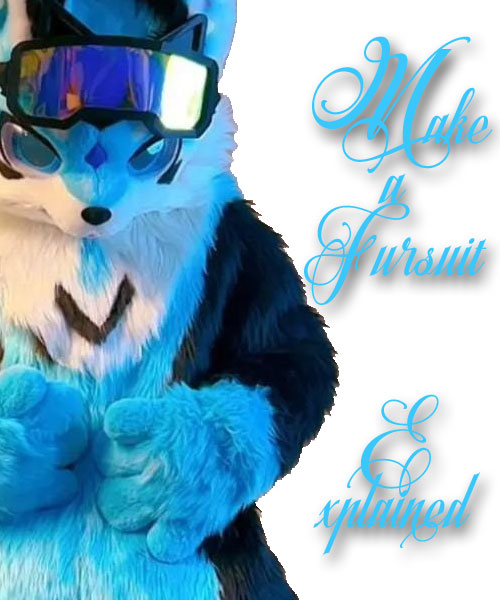
Should you have ever entered the vibrant realm of the furry fandom, you must have admired the amazing detail of a custom fursuit and wondered: how long does it really take to create one?
The brief reply? It varies.
The extended answer is more fascinating—and far more thorough.
Making a fursuit is not buying a costume from the store. It is a handmade project fusing design, art, sewing, sculpting, and engineering. Every suit is different. Each manufacturer follows a unique workflow. Every customer also brings a distinct perspective.
Let us go through this gradually.
What Is a Fursuit?
A fursuit is a custom-made costume that represents an anthropomorphic animal character, often called a “fursona.” These suits are commonly worn at conventions like Anthrocon or Midwest FurFest, as well as for photoshoots, performances, and online content creation.
There are different types of suits:
- Partial fursuit (head, paws, tail)
- Full fursuit (full body)
- Digitigrade suit (animal-style legs)
- Plantigrade suit (human-shaped legs)
- Mini partials or mascot-style suits
Each type affects production time in a big way.
The Average Time to Make a Fursuit
Here’s the realistic estimate:
- Partial suit: 4 to 8 weeks
- Full suit: 2 to 4 months
- High-detail or complex builds: 4 to 6+ months
But wait — this is just build time.
If you order from a professional maker, you may wait 6 months to 2 years before they even start your project. Why? Because experienced makers often have long commission queues.
So when people ask, “How long does it take?” they are really asking two different questions:
- How long to build it?
- How long until I receive it?
Both matter.
Step-by-Step: The Fursuit Creation Timeline
Let’s walk through the actual process.
1. Concept and Design (1–3 Weeks)
Everything starts with artwork. A clear reference sheet of the character is essential. Some clients already have detailed designs. Others need revisions.
This phase may include:
- Color adjustments
- Marking placement decisions
- Eye shape selection
- Fur length planning
Without a solid design, production slows down later.
2.Head Base Construction (2–4 Weeks)
The head is the centre piece. It requires precision.
Most makers use:
- Upholstery foam (hand-carved)
- 3D printed bases
- Resin or expanding foam casts
Carving, shaping, symmetry corrections — it takes time. A single mistake means redoing hours of work.
Add moving jaws? LED eyes? Magnetic eyelids?
That adds more time.
3.Patterning and Fur Cutting (2–3 Weeks)
After sculpting, the maker creates a duct tape pattern from the base. The pattern is transferred to faux fur fabric.
Cutting fur is not fast work.
Each color section must align with markings. Fur direction matters. If the grain runs wrong, the entire piece looks off.
Precision is everything here.
4.Sewing and Assembly (3–6 Weeks)
Now the suit starts to come alive.
This phase includes:
- Machine sewing large panels
- Hand sewing tight areas
- Installing zippers
- Adding lining
- Creating paws and tails
A digitigrade full suit with padding takes much longer because the legs must be sculpted and balanced correctly.
This is labor-heavy work. Long hours. Detailed stitching. Constant fitting checks.
5.Shaving, Finishing, and Detailing (2–4 Weeks)
Raw fur looks wild. It must be shaved and shaped.
Makers use clippers to:
- Define cheek fluff
- Shape eyebrows
- Blend color transitions
- Smooth body fur
Then come the details:
- Airbrushing
- Teeth installation
- Eye mesh painting
- Claw attachments
This stage often takes longer than expected. Fine detail work cannot be rushed.
Why Some Fursuit Take Longer
Not all suits are equal. Several factors increase build time:
Complexity of Design
Multiple colors, gradients, stripes, spots — more markings mean more pattern pieces.
Type of Fur Used
Luxury shag fur behaves differently than short pile fur. Some fabrics are harder to sew.
Special Features
- Moving jaws
- Follow-me eyes
- Fans for ventilation
- Removable parts
Electronics alone can add weeks.
Maker’s Skill Level
Beginners work slower. Professionals are faster — but also more booked.
Making It Yourself vs. Hiring a Maker
If you build your own DIY fursuit, expect:
- 3 to 6 months part-time
- 6+ months if learning from scratch
You’ll spend time watching tutorials, correcting mistakes, and redoing pieces.
Hiring a professional maker reduces your effort but increases waiting time. Many top creators announce limited commission openings and fill slots within minutes.
That demand changes everything.
The Hidden Time Factor: Commission Queues
Here’s what most new buyers don’t realise.
Even if a suit takes 3 months to build, you might wait a year before production starts.
- Open commissions once or twice a year
- Take limited slots
- Work in batches
So when calculating time, think in terms of total turnaround, not just sewing hours.
Quality vs. Speed: The Trade-Off
Can a suit be made in 4 weeks? Yes.
Should it be? That depends.
Fast builds may mean:
- Simpler markings
- Less detailed shaving
- Fewer add-ons
High-end suits take time because craftsmanship shows in:
- Seam invisibility
- Balanced proportions
- Durable stitching
- Clean finishing
Rushed work often leads to repairs later.
Seasonal Delays Matter
Convention season changes timelines.
Before large events like Furry Weekend Atlanta, makers get flooded with rush orders. Fabric suppliers may also run low on popular fur colors.
- Holidays slow shipping.
- Custom dye lots take longer.
- Life happens.
Buffer time is always wise.
How to Speed Up the Process
If you want your fursuit sooner, consider:
- Providing a clear reference sheet
- Choosing fewer colors
- Avoiding complex gradients
- Skipping electronics
- Ordering during off-season
Communication helps too. Quick replies keep production moving.
Realistic Timeline Example
Let’s say you commission a full digitigrade suit:
- Waitlist: 8 months
- Production: 3 months
- Shipping prep: 2 weeks
Total: About 11–12 months.
Now compare that to a simple partial:
- Waitlist: 4 months
- Production: 6 weeks
- Shipping: 1 week
Total: Around 6 months.
See the difference?
FAQs About Fursuit Production Time
How long does a beginner take to make a fursuit?
Usually 4 to 8 months. Learning curves slow things down.
Can a fursuit be made in a month?
Yes, but typically only simple partials or rushed builds.
Why do professional makers take so long?
Because they balance multiple clients, maintain quality, and often work solo.
Does price affect production time?
Indirectly. Higher-priced suits usually include more detail, which adds time.
What part takes the longest?
For most makers, the head sculpting and finishing stage consumes the most hours.
Related Posts
Custom Fursuit Maker TX – Houston, Dallas & Austin
-
Posted by
fursuitmania743@gmail.com
Fursuit vs Cosplay – Full Difference Explained
-
Posted by