
April 20, 2026
Is My Goal of Being a Professional Fursuit Maker Achievable?
By Casey Wren
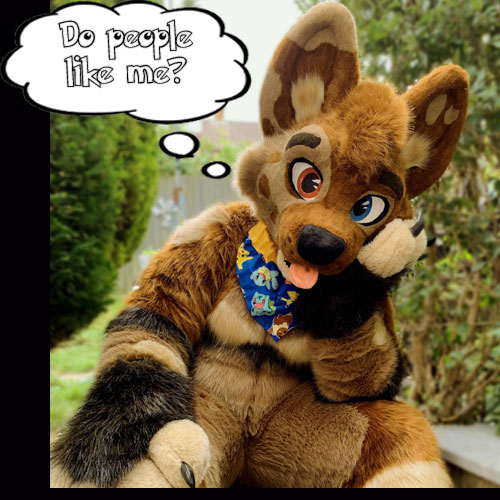
It might seem that the desire to become a professional fursuit maker is a dream which has very little chances of being fulfilled. After all, who would dream of working on creating large animal costumes professionally?However, the truth is that this tale is anything but simple or somber.
Indeed, it is possible. However, it is difficult, and it is certainly not immediate. Obviously, it will not be easy.
Let us consider this matter a little more carefully.
What Is a Fursuit Maker Anyway?
Well, it doesn’t mean just a person who works with fur. There are different skills involved:
- Sculpting foam or resin bases for heads
- Sewing complex patterns with faux fur
- Airbrushing and painting details
- Building ventilation and comfort systems
- Designing character expressions and personalities
- Communicating with clients about custom commissions
It’s part engineering, part art, and part customer service.
And here’s the important thing: no one starts as an expert.
Every professional you see today started with uneven stitches, messy glue work, and a lot of trial and error.
Is It Really a Career or Just a Hobby?
This is where things get interesting.
A professional fursuit maker can turn this into a career, but it depends on several factors:
1. Skill Level
Your work must reach a consistent quality standard. Clients expect:
- Clean seams
- Durable structure
- Comfortable wear
- Accurate character design
If your suits fall apart or look inconsistent, it stays a hobby.
2. Time Investment
Fursuits take hours and hours. A single head can take 20–60+ hours depending on complexity. Full suits? Even more.
So ask yourself:
Can I dedicate serious time each week?
3. Business Thinking
This is not just crafting—it’s also running a small business:
- Pricing your work properly
- Managing commissions
- Handling deadlines
- Communicating with clients
- Marketing on social media
Many talented artists fail here, not because of skill, but because of business overwhelm.
The Learning Path: How People Actually Become Fursuit Makers
There is no official school for this. Most fursuit makers are self-taught or learn through small communities.
Here’s a realistic progression:
Stage 1: Beginner Chaos
- First foam head attempt
- Uneven stitching
- Glue everywhere
- But also… excitement
Stage 2: Skill Building
- Watching tutorials
- Learning sewing machines
- Practicing patterns
- Improving structure
Stage 3: First Commissions
- Small, affordable projects
- Friends or early supporters
- Learning communication skills
Stage 4: Professional Level
- Stable quality
- Waiting lists
- Established reputation
- Higher pricing
It’s not overnight. It’s gradual improvement stacked over time.
Challenges You Will Face
Let’s be real—this path is not easy.
1. Material Costs
Faux fur, foam, resin, and tools are expensive. Mistakes cost money.
2. Burnout
Long hours + pressure + client expectations = exhaustion if not managed properly.
3. Competition
There are many talented makers online. Standing out takes style and consistency.
4. Client Communication
This is huge. Miscommunication can damage reputation even if the art is good.
5. Physical Strain
Cutting, sewing, glue work—your hands, back, and eyes will feel it.
But every challenge also builds skill.
What Makes a Successful Fursuit Maker?
Success isn’t just talent. It’s a mix of traits:
- Patience – things take time
- Consistency – quality must stay stable
- Creativity – each suit should feel alive
- Communication skills – essential for clients
- Problem-solving mindset – mistakes will happen
- Passion – without it, burnout wins
If you have even half of these, you’re already on the path.
Can You Really Make Money From It?
Yes—but realistically:
- Beginners: small commissions, low income
- Intermediate: steady side income
- Professionals: full-time income possible
However, most fursuit makers treat it as:
- A side business
- A creative career
- Or a hybrid job with other income sources
Full-time success is possible, but it takes time to build reputation.
The Role of Community
One of the strongest parts of this field is the fandom itself.
Events like furry conventions, online groups, and showcases give exposure and motivation. Seeing your work worn and loved by someone else is powerful.
The community often:
- Shares feedback
- Supports new artists
- Helps with promotion
- Inspires creativity
But it can also be opinionated, so learning to handle feedback is important.
Tips if You Want to Start Today
If you’re serious about becoming a professional fursuit maker, here’s a simple roadmap:
- Start small (head bases, partials)
- Learn sewing basics first
- Practice foam carving regularly
- Study other makers (don’t copy, learn style)
- Build a portfolio early
- Be honest about your skill level
- Improve one project at a time
And most importantly: don’t rush.
FAQs
- Do I require formal education for being a fursuit maker?
Not necessarily. Fursuit makers are self-taught through practice.
- What is the amount of time that will make me an expert in my field?
Approximately 1 to 3 years for acquiring professional knowledge.
- Are large financial investments required?
Yes. However, materials may prove expensive; nevertheless, one can commence with limited finances.
- Can I have a steady income from this profession?
Certainly; however, it will happen after establishing oneself.
- What are the most difficult parts of my occupation?
Maintaining a balance between creativity and business matters, particularly communications.
Final Thoughts
So, is your goal of becoming a professional fursuit maker achievable?
Yes. Absolutely yes.