
January 23, 2026
Foam vs 3D Printed Fursuit Head: Pros and Cons Explained
By Casey Wren
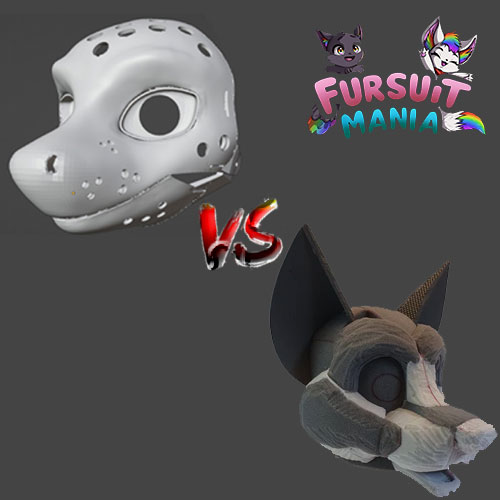
Choosing how your fursuit head is made is one of the largest choices that you will make in the whole fur suit process. This choice is important as it affects the comfort, price, durability, appearance, and the amount of time an individual is able to spend in the suit before they need to take a rest from it. The two main ways that a fur suit head is constructed is by using foam construction or by making use of a 3D printer. They both have their own fan base as well as high popularity among people.
This will be a deep and honest exploration of foam compared to 3D printed fursuit heads, in order to help you decide which one works best with your needs, your character, and your lifestyle.
Understanding the Two Head Types
Before drawing comparisons, let’s briefly discuss exactly what each one is.
The construction of the foam fursuit begins with the handmade foam head made out of upholstery foam
A fursuit head made with a 3D printer, on the other hand, begins as a digital construct. A plastic covering, normally made with PLA plastic, is the starting point which is padded and furrred.
Same goal. Very different paths.
Foam Fursuit Head: Pros
1. Lightweight Comfort
One of the biggest advantages of foam fursuit heads is weight. Foam is light. Really light.
That means:
- Less neck strain
- Easier movement
- Longer wear time
For conventions or long performances, this matters more than people expect.
- Better Airflow
Foam naturally allows more airflow. Many foam heads have larger interior spaces and better ventilation options.
Benefits include:
- Cooler temperature
- Less sweat buildup
- Reduced fogging in the eyes
If you overheat easily, foam is often the safer choice.
- Organic, Expressive ShapesRisk of Cracking
Because foam is sculpted by hand, it’s easier to create soft curves, exaggerated expressions, and unique face shapes.
This works especially well for:
- Toony styles
- Cartoon characters
- Soft, plush aesthetics
Every foam head feels slightly different, which some people love.
- Easier to Repair or Modify
Need to adjust the muzzle? Fix damage? Add padding?
Foam is forgiving. Small repairs are usually simple and inexpensive compared to rigid plastic bases.
Foam Fursuit Head: Cons
1. Less Symmetry
Because foam heads are handmade, perfect symmetry can be hard to achieve. Even skilled makers may have small differences between sides.
For some people, that’s charm.
For others, it’s a deal-breaker.
- Structural Wear Over Time
Foam breaks down eventually. Heavy use can lead to:
- Compression
- Loss of shape
- Cracking in glued areas
With good care, this takes years—but it does happen.
- Limited Precision
Fine details like sharp teeth, thin edges, or mechanical features are harder to pull off cleanly with foam alone.
3D Printed Fursuit Head: Pros
1. Perfect Symmetry
This is the biggest selling point.
A 3D printed fursuit head is digitally modeled, meaning:
- Exact symmetry
- Clean lines
- Consistent proportions
If you want a polished, professional look, this delivers.
- Strong and Durable
Plastic bases hold their shape extremely well. They don’t compress like foam and are resistant to long-term deformation.
This makes them ideal for:
- Frequent use
- Travel
- Performances
- Advanced Design Options
3D printing allows features that foam struggles with:
- Thin walls
- Sharp angles
- Moving jaws with precision
- Magnetic parts
It’s a favorite for semi-realistic and realistic fursuit heads.
- Faster Base Production
Once a model is ready, printing is faster than sculpting foam from scratch. This can reduce wait times with some makers.
3D Printed Fursuit Head: Cons
1. Heavier Weight
Plastic is heavier than foam. Even lightweight prints add noticeable weight.
This can cause:
- Neck fatigue
- Shorter wear time
- More strain during movement
Padding helps, but physics still wins.
- Heat Retention
Plastic traps heat. Ventilation must be carefully designed, or the head can become very warm.
This is a major concern for:
- Hot climates
- Summer conventions
- Long events
- Harder to Modify
Once printed, the shape is mostly locked in. Major changes require reprinting the base.
Repairs can also be more complex and costly.
- Risk of Cracking
While durable, plastic can crack if dropped or mishandled. Foam dents. Plastic breaks.
Comfort Comparison: Foam vs 3D Printed Fursuit Head
Comfort is subjective, but trends are clear.
Foam heads:
- Lighter
- Cooler
- Softer against the face
3D printed heads:
- Heavier
- Warmer
- More rigid
If comfort is your top priority, foam usually wins.
If appearance and structure matter more, 3D printing shines.
Cost Differences
Price depends on the maker, but generally:
- Foam fursuit heads can be more affordable
- 3D printed fursuit heads may cost more due to modeling, printing, and materials
However, complex foam work can still be expensive. Don’t assume one is always cheaper.
Style and Aesthetic Differences
Choose based on your character.
Foam works best for:
- Cute, exaggerated designs
- Soft expressions
- Classic furry styles
3D printed works best for:
- Sharp features
- Realistic anatomy
- Clean, modern looks
Neither is “better.” They’re just different tools.
Maintenance and Longevity
Foam:
- Needs gentle handling
- Can compress over time
- Easier to patch
3D Printed:
- Holds shape longer
- Needs careful storage
- Repairs may require reprinting
Both last years with proper care.
Which One Should You Choose?
Ask yourself a few questions:
- Do I prioritize comfort or appearance?
- Will I wear this for long periods?
- Is my character toony or realistic?
- Do I want flexibility or precision?
There’s no wrong answer. Many furries even own both types of fursuit heads for different uses.
Final Thoughts
The debate over foam vs 3D printed fursuit heads doesn’t have a single winner. Foam offers comfort, airflow, and expressive charm. 3D printing delivers symmetry, durability, and stunning detail.