Blog
The Craft Behind Skilled Fursuit Makers
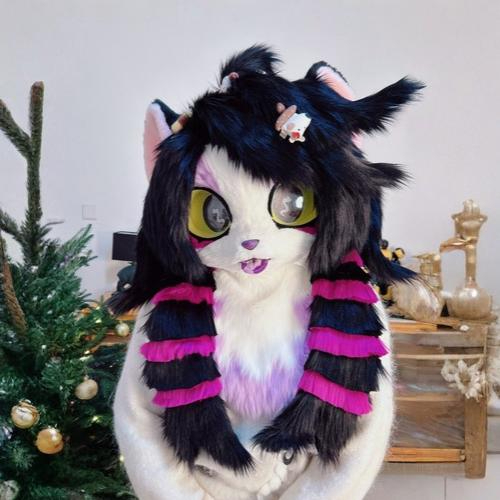
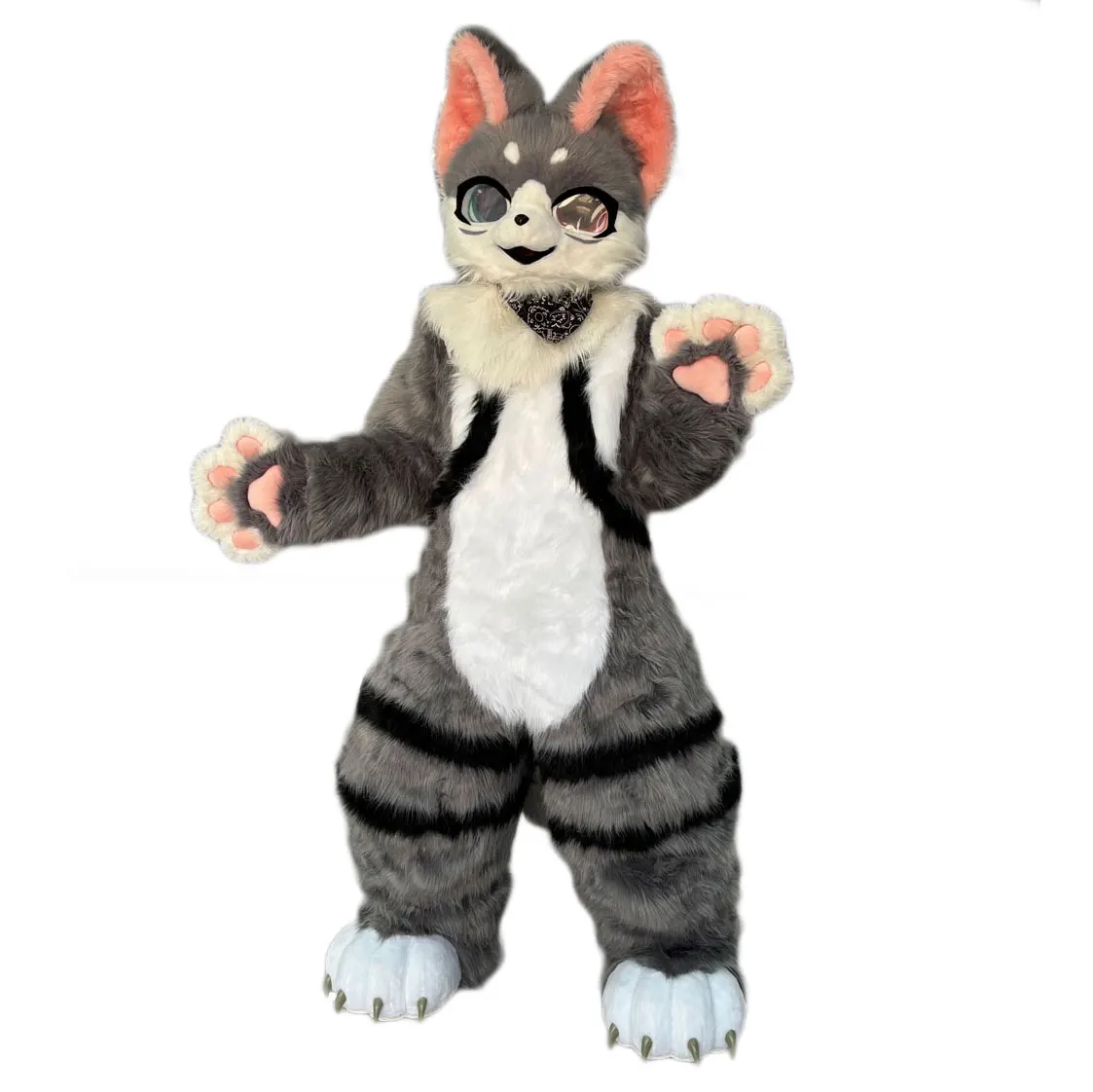
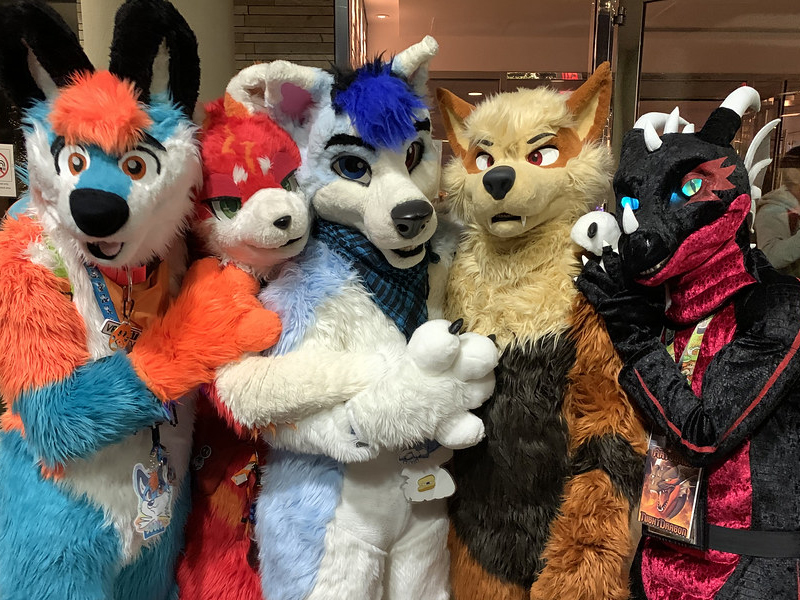
In the furry fandom, fursuits aren’t just outfits you put on and take off. They carry personality. Emotion. Sometimes even years of personal meaning. Every stripe, paw pad, and expression has a purpose. And behind all of it are the fursuit makers – the people who quietly do the hard work that turns an idea into something you can actually wear.
Some makers work alone in small studios. Others operate as part of a team. But they all share one thing: patience. Because building a fursuit takes time. A lot of it.
Who Are Fursuit Makers, Really?
At a basic level, fursuit makers design and build custom animal or creature costumes, usually based on a character created by the client. But that description barely scratches the surface.
Their work often includes:
- Translating 2D artwork into a 3D form
- Sculpting foam heads by hand
- Sewing large amounts of faux fur with precision
- Creating facial expressions that feel alive
- Making sure the suit is wearable, breathable, and balanced
A well-made fursuit doesn’t just look good in photos.
That’s harder than it looks.
From Idea to Finished Suit
The process usually starts with a conversation. Sometimes several of them. A client explains their character, shares reference art, and talks through what they want—and what they don’t.
From there, most builds follow a general path:
- Character discussion – Colors, personality, body type, and style are clarified.
- Reference review – Clean, clear reference art makes a big difference.
- Pricing and timeline – The maker outlines cost, queue time, and build length.
- Construction begins – Foam sculpting, patterning, sewing, and assembly.
- Progress updates – Photos, videos, or short check-ins along the way.
- Final detailing – Trimming fur, airbrushing, refining expressions.
- Shipping – Carefully packed and sent to its new home.
Depending on complexity, this process can take weeks or many months.
 Why Choosing the Right Maker Matters
Not all fursuit makers work the same way. Some focus on speed. Others on realism. Some prefer cartoon styles, while others lean toward clean, classic builds.
A good maker offers:
- Clear communication
- Honest timelines
- Consistent craftsmanship
- Durable construction
- Respect for the client’s vision
When things go wrong, it’s often because expectations weren’t clear from the start. That’s why research matters. A lot.
Looking at Real Maker Portfolios
Portfolios say more than ads ever could. Below are examples of different maker styles you’ll often see across the community.
Whisker Works Fursuits
Style focus: Expressive faces, smooth shapes, soft finishes
Whisker Works is known for suits that feel animated even when standing still. The faces tend to be open and friendly, with carefully shaped eyes and balanced proportions.
Common features include:
- Lightweight foam heads
- Clean fur seams
- Subtle airbrushing
- Comfortable interior padding
Portfolio examples: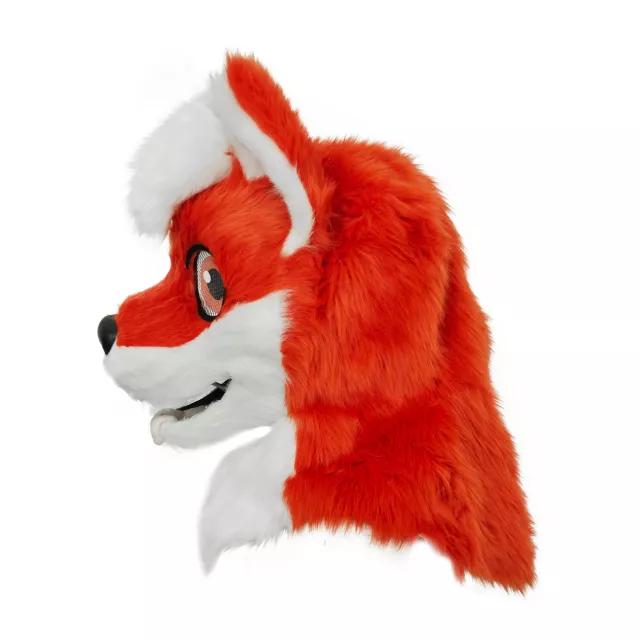
- Marigold the Fox – Bright colors and wide, cheerful eyes
- Zephyr the Dragon – Layered textures and shaped horns
- Riley the Wolf – Simple design done very cleanly
These suits photograph well and move naturally.
Tailspin Studios
Style focus: Realism and structure
Tailspin Studios takes a more anatomical approach. Their suits often have deeper sculpting and more natural proportions.
Typical details include:
- Shaped muscle padding
- Articulated jaws
- Breathable lining materials
- Detailed paw construction
Portfolio examples:
- Artemis the Lynx – Sharp markings and realistic posture
- Garnet the Bear – Heavy paws and layered fur depth
- Echo the Owl – Custom feather textures and lighting effects
These builds are popular with performers and serious collectors.
 Pixel Paws Creations
Style focus: Colour, creativity, and fantasy
Pixel Paws leans toward playful designs. Bright colours. Unusual hybrids. Characters that don’t follow traditional animal rules.
You’ll often see:
- Bold gradients
- Oversized heads
- Fantasy elements
- Creative silhouettes
Portfolio examples:
- Nimble the Fox-Bat – Winged ears and hybrid anatomy
- Blip the Neon Corgi – High-saturation colors and cartoon style
- Quill the Hedgehog – Clean lines and fun proportions
- Great for characters that are meant to stand out.
Stitch & Roar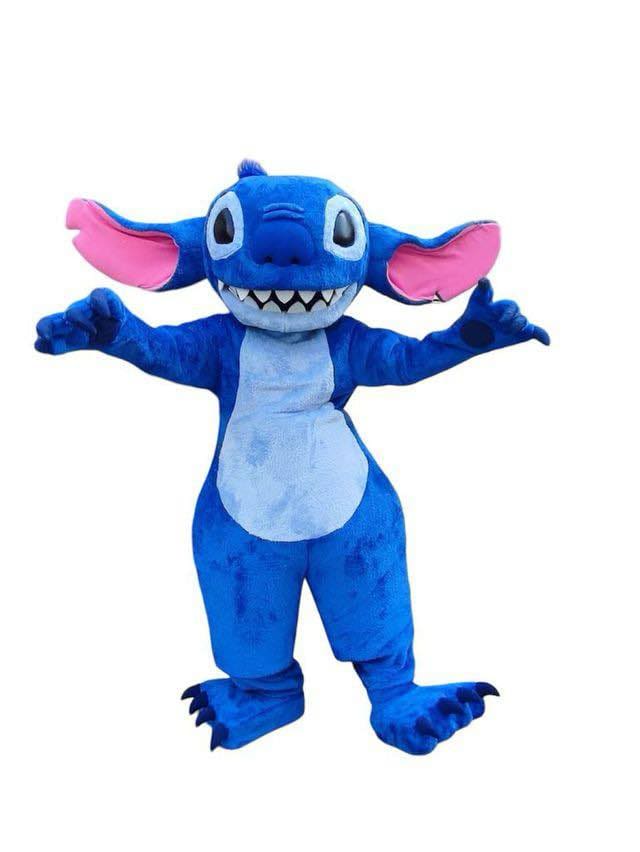
Style focus: Reliability and comfort
Stitch & Roar sticks to solid fundamentals. Their suits are built to last and feel wearable over long periods.
They focus on:
- Strong stitching
- Balanced proportions
- Comfortable fitting
- Easy maintenance
Portfolio examples:
- Juniper the Red Panda – Warm colors and soft expression
- Gus the Raccoon – Clean striping and detailed tail
- Luna the Cat – Smooth silhouette and classic look
These suits are practical and dependable.
How to Choose Among Fursuit Makers
If you’re deciding who to commission, keep these points in mind:
- Style match – Do their past suits look like what you want?
- Communication – Are they clear and responsive?
- Queue length – Some popular makers book far in advance.
- Pricing clarity – Make sure you understand what’s included.
- Reviews – Feedback from previous clients matters more than marketing.
A good maker will answer questions without pressure.
 Common First-Time Mistakes
Many new buyers make similar errors:
- Choosing the cheapest option without checking quality
- Not reading contracts carefully
- Providing unclear or incomplete reference art
- Rushing the process
- Ignoring care instructions
A little patience upfront can save a lot of frustration later.
How Much Does a Fursuit Cost?
Prices vary widely depending on complexity and maker experience. Rough ranges look like this:
- Partial suits: $300–$1,200
- Full suits: $1,200–$5,000+
- Advanced features: Extra costs for LEDs, animatronics, special padding
Higher prices often reflect better materials, stronger construction, and longer-lasting results.
Build Timelines Explained
Time frames depend on both the maker’s queue and the suit design.
- Simple partials: 1–3 months
- Standard full suits: 3–8 months
- Complex builds: 6–12 months or more
- Good makers won’t rush quality just to finish faster.
Caring for a Fursuit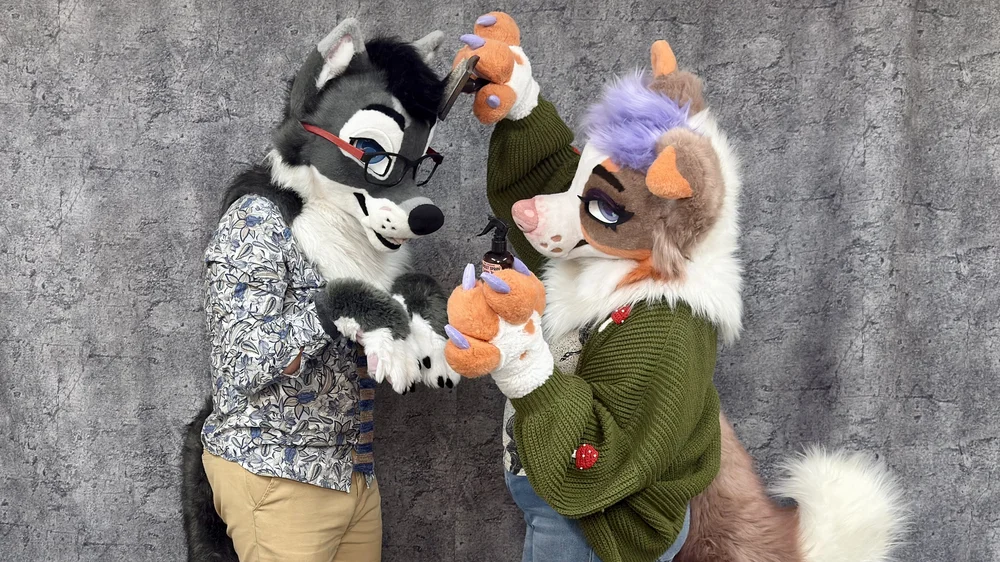
To keep a suit in good shape:
- Spot clean after use
- Hand wash with cold water
- Never use heat to dry
- Brush fur regularly
- Store in a cool, dry space
- Check seams after conventions
Proper care extends the life of the suit by years.
Closing Thoughts
The work of fursuit makers sits at the crossroads of art, engineering, and storytelling. A well-made suit isn’t just worn—it’s performed, cared for, and remembered.
Taking time to understand the craft, the process, and the people behind it makes the experience far more rewarding.
And in the end, that’s what this community is about. Creativity. Expression. And bringing characters to life—one stitch at a time.

About Casey Wren
Related Posts
I Love Fullsuiting So Much: Why It’s More Than Just Wearing a Costume
-
Posted by
Casey Wren
Fursuit Maker Suggestions: How to Find the Perfect Creator for Your Dream Suit
-
Posted by
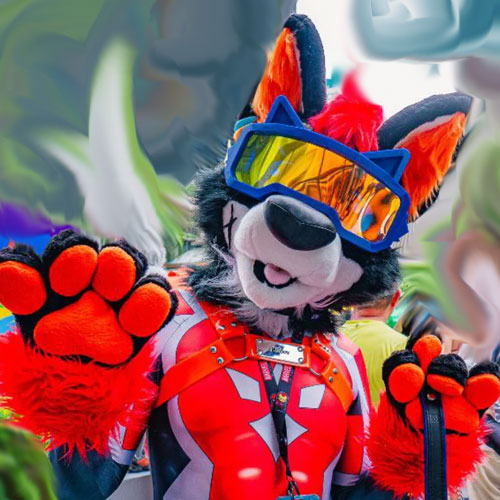
The Benefits of Ordering a Custom Fursuit from Professionals
-
Posted by
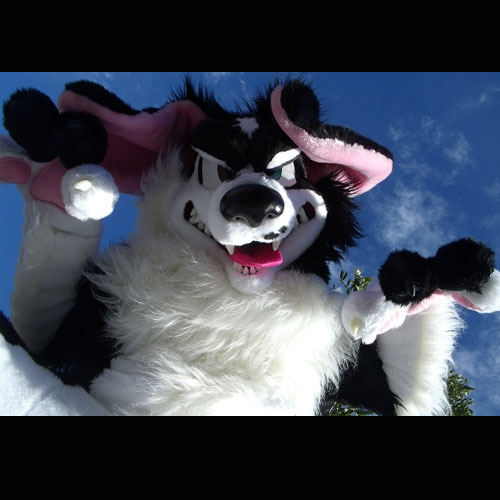
Favorite Fursuit Style: Finding the Perfect Look for Your Fursona
-
Posted by
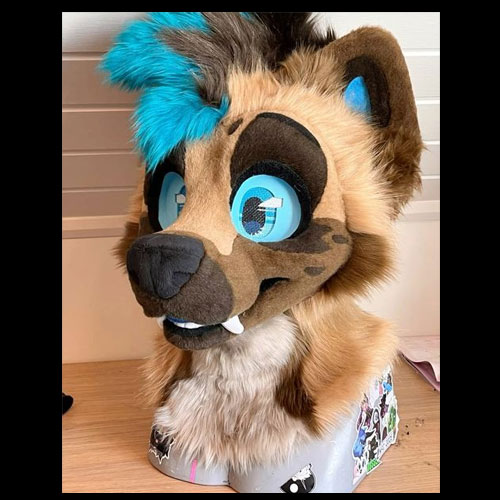
Fursuit Head Commission: Everything You Need to Know Before Ordering Your Custom Head
-
Posted by
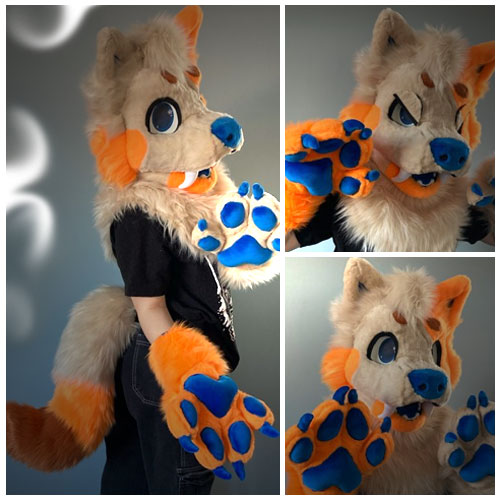
How to Get Started on Fursuit Commissions
-
Posted by
Fursuit Commissions: Pricing, Quality, and Expectations
-
Posted by
Is My Goal of Being a Professional Fursuit Maker Achievable?
-
Posted by

Commission Fursuits 2026 – Trends, Materials, and Styles
-
Posted by
What Is a Fursuit? Complete Beginner Guide Explained
-
Posted by
Fursuit Convention Guide – Rules, Tips & Etiquette Explained
-
Posted by
Best Fursuit Convention Places Every Furry Fan Should Visit
-
Posted by
7 thoughts on “The Craft Behind Skilled Fursuit Makers”